

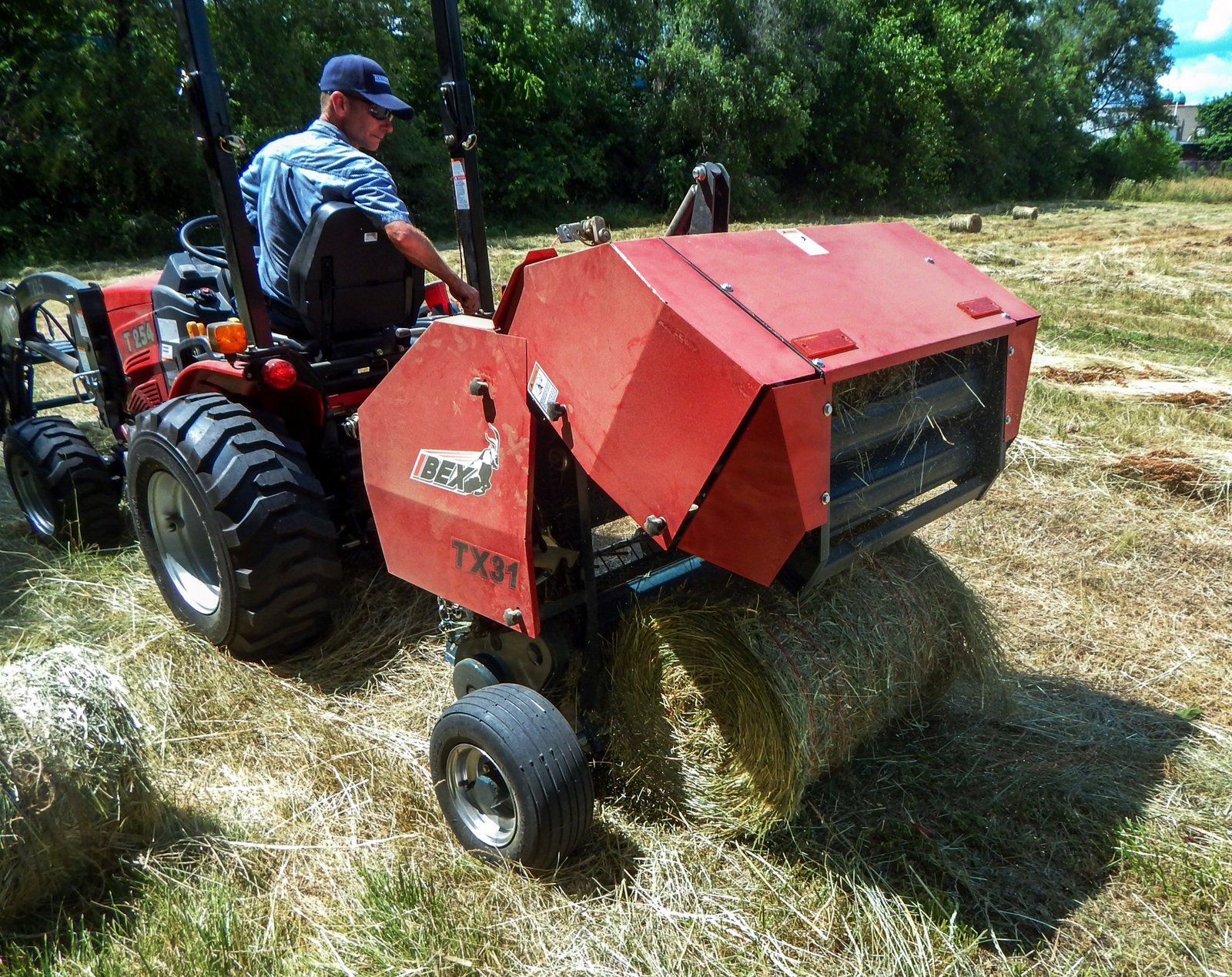
Silage Baler & Hay Baler — Mini Round Baler for Fodder

SKU: GGT-MAC-006

Turn surplus fodder into compact round bales: hay baler for dry fodder, silage baler-wrapper for fermented feed. Cut storage space, stop fodder waste, and feed animals year-round.

₨1,300,000.00

20 People watching this product now!
  • Pick up from the Woodmart Store

To pick up today

Free

  • Courier delivery

Our courier will deliver to the specified address

2-3 Days

Free

  • DHL Courier delivery

DHL courier will deliver to the specified address

2-3 Days

Free

  • Warranty 1 year
  • Free 30-Day returns

Payment Methods:

Description

Pakistani dairy and livestock farmers lose enormous value to fodder seasonality: surplus green fodder in summer rots in the field, while winter brings expensive feed shortages. A baler solves this by compressing fodder into dense, transportable round bales. The hay baler handles dry fodder (wheat straw, dry maize stover, hay); the silage baler chops and compresses green fodder (maize, sorghum, mott grass) into bales that are then wrapped in plastic film to ferment into silage — nutritious, preserved feed for months.

A mini round baler is sized for small farms: tractor-PTO or engine driven, producing bales of roughly 50–80 kg that one or two people can handle. Baled fodder takes a fraction of the storage space of loose fodder, is easy to transport and sell, and suffers far less spoilage. For silage, the baler-wrapper combination lets even a 10-acre farmer make professional-quality silage without a concrete bunker silo.

The business case is twofold: feed cost and income. Dairy farmers cut winter feed bills and keep milk yields steadier; fodder growers can bale and sell surplus as a value-added product instead of letting it waste. Contract baling for neighbours is another income stream during peak season.

Typical package: mini round baler (PTO-driven for 35–50 HP tractors, or standalone engine models), twine/net wrapping system, and for silage — a bale wrapper unit with plastic stretch film. Film and twine/net are consumables to stock. Operator training on moisture levels is important: hay must be dry enough to avoid mould; silage needs the right chop length and airtight wrapping.

This is for dairy farmers, livestock fattening operations, and fodder growers in Punjab, Sindh, and KP — and for service providers offering baling in their area.

Key Features

  • Mini round baler sized for small farms — 50–80 kg bales, easy to handle and transport
  • Hay baler for dry fodder: wheat straw, dry stover, hay
  • Silage baler + wrapper: chops green fodder and wraps airtight for fermented silage
  • Dense bales cut storage space and transport cost versus loose fodder
  • Year-round feeding: preserve summer surplus for winter shortages
  • Steadier milk yields and lower purchased-feed bills for dairy farmers
  • Surplus bales become a saleable product — extra income from fodder
  • PTO-driven (35–50 HP tractor) or standalone engine models available

Specifications

Bale size Round bales ~50–80 kg (model-dependent); diameter ~50–60 cm
Capacity ~40–80 bales/day (crop and model dependent)
Chop length (silage) 2–5 cm typical
Drive Tractor PTO (35–50 HP) or standalone petrol/diesel engine
Film Silage stretch film 500–750 mm (consumable)
Wrapping Twine or net wrap for hay; stretch film wrapper for silage

How to Use

  1. Hay: cut fodder and let it dry to safe moisture (crisp, no green dampness) before baling — baling damp hay causes mould and heating.
  2. Silage: chop green fodder (maize at milk-dough stage is ideal) to 2–5 cm and bale the same day; wrap each bale airtight within hours.
  3. Set bale density and size per the manual; check the first bales for firmness and uniform shape before continuing.
  4. Wrap silage bales with the recommended number of film layers (usually 4–6) with 50% overlap; seal and store bales on flat, clean ground away from sharp objects.
  5. Keep hands clear of the pickup, rollers, and wrapping arm; stop the PTO/engine before clearing blockages or threading film.
  6. Daily: grease bearings, check belt/chain tension, clear chopper knives of wrapped material.
  7. After season: clean thoroughly, wash off silage acids (they corrode metal), oil bare metal, and store under cover.

Customer Reviews

0 reviews
0
0
0
0
0

There are no reviews yet.

Be the first to review “Silage Baler & Hay Baler — Mini Round Baler for Fodder”

Your email address will not be published. Required fields are marked *

1 2 3 4 5
1 2 3 4 5
1 2 3 4 5
