

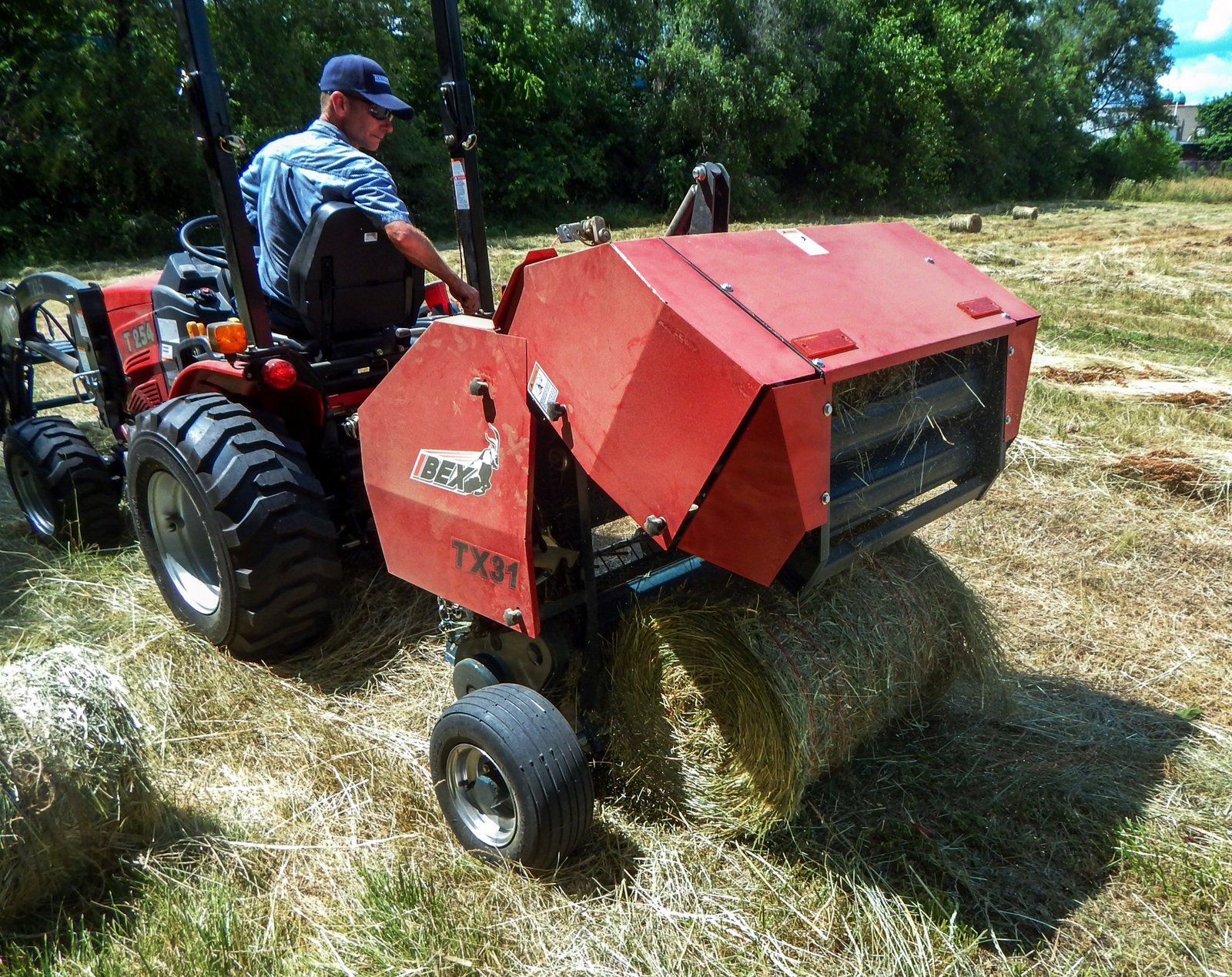
Silage Baler & Hay Baler — Mini Round Baler for Fodder
Turn surplus fodder into compact round bales: hay baler for dry fodder, silage baler-wrapper for fermented feed. Cut storage space, stop fodder waste, and feed animals year-round.
₨1,300,000.00
-
Pick up from the Woodmart Store
To pick up today
Free
-
Courier delivery
Our courier will deliver to the specified address
2-3 Days
Free
-
DHL Courier delivery
DHL courier will deliver to the specified address
2-3 Days
Free
-
Warranty 1 year
-
Free 30-Day returns

Payment Methods:
Description
Pakistani dairy and livestock farmers lose enormous value to fodder seasonality: surplus green fodder in summer rots in the field, while winter brings expensive feed shortages. A baler solves this by compressing fodder into dense, transportable round bales. The hay baler handles dry fodder (wheat straw, dry maize stover, hay); the silage baler chops and compresses green fodder (maize, sorghum, mott grass) into bales that are then wrapped in plastic film to ferment into silage — nutritious, preserved feed for months.
A mini round baler is sized for small farms: tractor-PTO or engine driven, producing bales of roughly 50–80 kg that one or two people can handle. Baled fodder takes a fraction of the storage space of loose fodder, is easy to transport and sell, and suffers far less spoilage. For silage, the baler-wrapper combination lets even a 10-acre farmer make professional-quality silage without a concrete bunker silo.
The business case is twofold: feed cost and income. Dairy farmers cut winter feed bills and keep milk yields steadier; fodder growers can bale and sell surplus as a value-added product instead of letting it waste. Contract baling for neighbours is another income stream during peak season.
Typical package: mini round baler (PTO-driven for 35–50 HP tractors, or standalone engine models), twine/net wrapping system, and for silage — a bale wrapper unit with plastic stretch film. Film and twine/net are consumables to stock. Operator training on moisture levels is important: hay must be dry enough to avoid mould; silage needs the right chop length and airtight wrapping.
This is for dairy farmers, livestock fattening operations, and fodder growers in Punjab, Sindh, and KP — and for service providers offering baling in their area.
Key Features
- Mini round baler sized for small farms — 50–80 kg bales, easy to handle and transport
- Hay baler for dry fodder: wheat straw, dry stover, hay
- Silage baler + wrapper: chops green fodder and wraps airtight for fermented silage
- Dense bales cut storage space and transport cost versus loose fodder
- Year-round feeding: preserve summer surplus for winter shortages
- Steadier milk yields and lower purchased-feed bills for dairy farmers
- Surplus bales become a saleable product — extra income from fodder
- PTO-driven (35–50 HP tractor) or standalone engine models available
Specifications
| Bale size | Round bales ~50–80 kg (model-dependent); diameter ~50–60 cm |
|---|---|
| Capacity | ~40–80 bales/day (crop and model dependent) |
| Chop length (silage) | 2–5 cm typical |
| Drive | Tractor PTO (35–50 HP) or standalone petrol/diesel engine |
| Film | Silage stretch film 500–750 mm (consumable) |
| Wrapping | Twine or net wrap for hay; stretch film wrapper for silage |
How to Use
- Hay: cut fodder and let it dry to safe moisture (crisp, no green dampness) before baling — baling damp hay causes mould and heating.
- Silage: chop green fodder (maize at milk-dough stage is ideal) to 2–5 cm and bale the same day; wrap each bale airtight within hours.
- Set bale density and size per the manual; check the first bales for firmness and uniform shape before continuing.
- Wrap silage bales with the recommended number of film layers (usually 4–6) with 50% overlap; seal and store bales on flat, clean ground away from sharp objects.
- Keep hands clear of the pickup, rollers, and wrapping arm; stop the PTO/engine before clearing blockages or threading film.
- Daily: grease bearings, check belt/chain tension, clear chopper knives of wrapped material.
- After season: clean thoroughly, wash off silage acids (they corrode metal), oil bare metal, and store under cover.

Reviews
Clear filtersThere are no reviews yet.